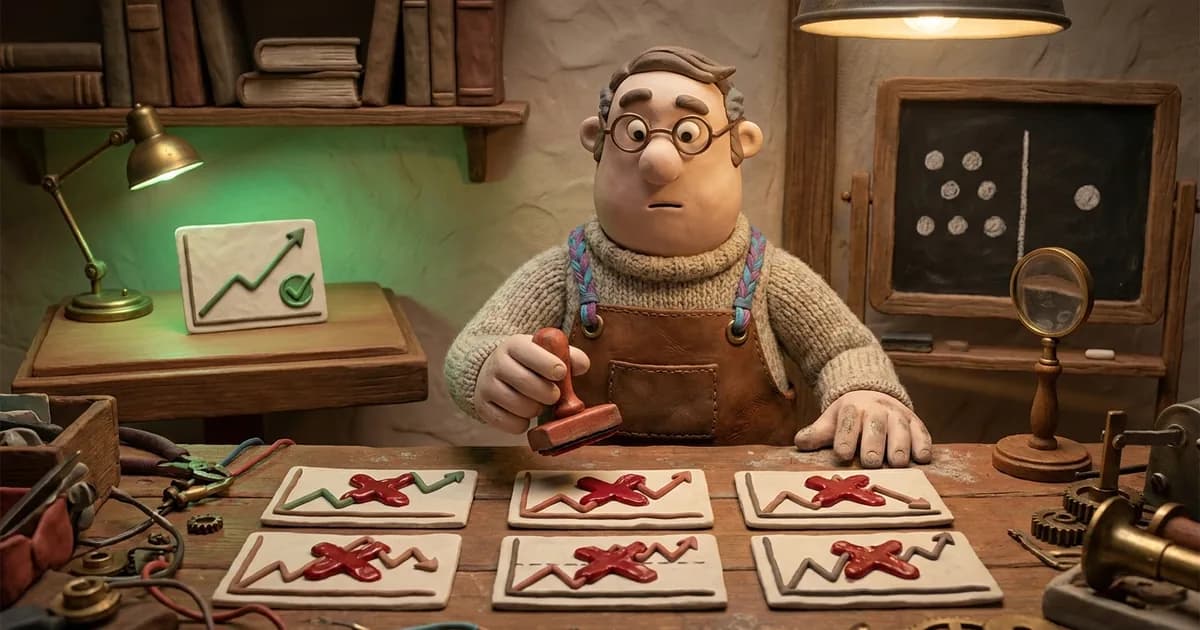
Hand on heart: have you ever had one trade that went absurdly well?
A small bet that turned into a small fortune. A memecoin you bought on a whim that did 18×. A penny-stock screen you ran at 2 AM that hit. A setup you spotted in a chart that played out exactly like you called it.
If so, you're one of those people. One of those who quietly start believing they have a touch for this.
I know the feeling. I've had that trade too. And for a while, I thought it meant something about me.
It didn't.
Why am I telling you this?
Because that one good trade is doing something to your brain right now. Four somethings, actually. Four well-documented biases that team up and convince you that you saw what other people missed.
You didn't. You got lucky. And there's math that proves it.
In this article you'll get:
- The four biases that turn one lucky win into a story about your skill
- Why 10,000 people in a room can produce one "genius" by pure chance
- A simple 30-second test that tells you if you have edge or just got lucky
- What to do with that one good trade besides framing the screenshot
Buckle up.
Bias 1: You judge the decision by the result
Picture two poker players. Both go all-in on the worst hand in poker, 2-7 offsuit. One of them gets lucky and hits three sevens. The other one loses everything.
Was the first player a genius?
Of course not. He made a terrible decision. He got rescued by the cards.
We all know this when we're watching poker. We forget it the moment we're staring at our own trading account. A win shows up on the screen, and the brain whispers: that was a smart move. A loss shows up, and the brain whispers: the market was rigged.
This is called outcome bias. You judge the decision by the result, not by the process.
Remember: a good outcome doesn't make a decision good. The cards don't ask you to deserve them.
In trading, this is brutal because the noise is huge. You can make a perfect decision and lose money. You can make a terrible decision and 10× your account. Over five trades you can't tell which was which. The market is too random.
Over fifty trades, the picture starts to clear. Over five hundred, it's obvious.
But you've made one.
Bias 2: You take credit for wins. You blame the market for losses.
Watch yourself the next time a trade goes well versus the next time it goes badly. Listen to the words.
The win: "I saw it coming." "My analysis was right." "I was patient." "I had a hunch."
The loss: "Whales dumped." "Manipulated chart." "Some news came out of nowhere." "VCs are unloading."
Notice the pattern? When you win, you take credit. When you lose, something external did it.
Psychologists call this self-serving attribution. It's the same thing that makes most drivers think they're above average. It's the same thing that makes students remember the test where they got 95% and forget the test where they got 60%.
For traders, it's poison. The asymmetry guarantees that no matter what your real results are, your memory of them will be tilted in your favor.
Still with me?
Remember: when you say "I" for the wins and "they" for the losses, the bias is already doing its work.
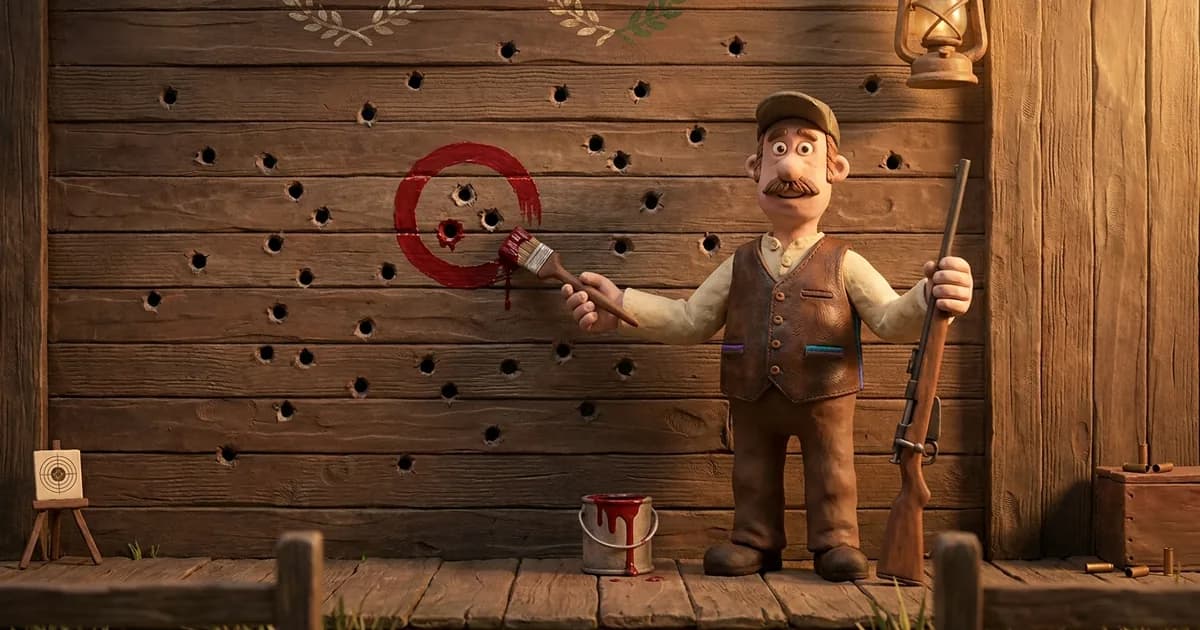
Bias 3: You draw the target around the bullet hole
Here's a story. A man fires his rifle at the side of a barn. Bullets go everywhere. He walks over, picks a spot where three holes happen to cluster, and paints a target around them.
He calls himself a marksman.
That's exactly what your brain does with the one good trade.
Right after the trade closed, you started telling yourself a story. The volume was building. The chart had a clean breakout. Twitter sentiment was shifting. You felt the energy.
Maybe.
But honestly. Did you write that thesis down before you opened the position? Did you take notes? Did you post it somewhere with a timestamp?
Or did the reasons show up only after the trade was already in the green? Did the chart "look obvious" only in hindsight?
The hindsight version is the painted target. It looks like a clean shot only because you drew the circle around it.
Remember: a setup that's only obvious after the move was never a setup. It was a story.
Bias 4: The thousand invisible people who bought the same coin
Last one. And this one should actually keep you up at night.
You bought PEPE in May 2024. Your bag did 18×. Beautiful.
Now ask yourself: how many other people bought PEPE in May 2024?
Hundreds of thousands. Maybe millions. Some bought too early and panic-sold the first dip. Some bought too late and rode it all the way down. Some held too long and watched the air come out of the candle. Some used leverage and got liquidated on a single wick.
Where are those people now?
You don't see them. They don't post on Twitter. The ones who lost don't run Discord servers about their genius timing. The ones who got liquidated quietly delete the trading app and pretend they were never crypto-curious.
Twitter is a stage. Only the winners come up to it. The losers are home eating cereal and not posting screenshots.
This is survivorship bias. You see the lottery winners. You don't see the ten thousand who lost.
Remember: when you see someone with a 100× screenshot in their bio, you're seeing one survivor from a stadium of casualties.
The math of "one genius per 1,024 people"
Try this in your head.
Put 1,024 people in a room. Hand each of them a coin. Have everyone flip 10 times in a row.
By pure math, one person gets 10 heads in a row.
That person didn't have a touch. They didn't see something the others missed. They didn't have a system. They had a seat in a big enough room.
But put a microphone in front of them and they will explain to you, with full confidence, how they did it.
This is exactly the shape of crypto. Tens of millions of people make trades every year. The math guarantees that thousands of them will get statistically improbable runs of wins just by chance. Those thousands then write threads, start podcasts, sell courses.
And we listen.
The 30-second test for "lucky or skilled"
Here's how you find out which one you are. Right now.
-
Write down your trading rules. Specific entry. Specific exit. Specific position size. Don't say "I'll do it later." Open a doc and write them now. If you can't, you don't have a strategy. You have intuition.
-
Apply those rules to 30 trades in a row. Not five. Not ten. Thirty. Mechanically. No skipping the ones that "feel wrong." Let the rules play.
-
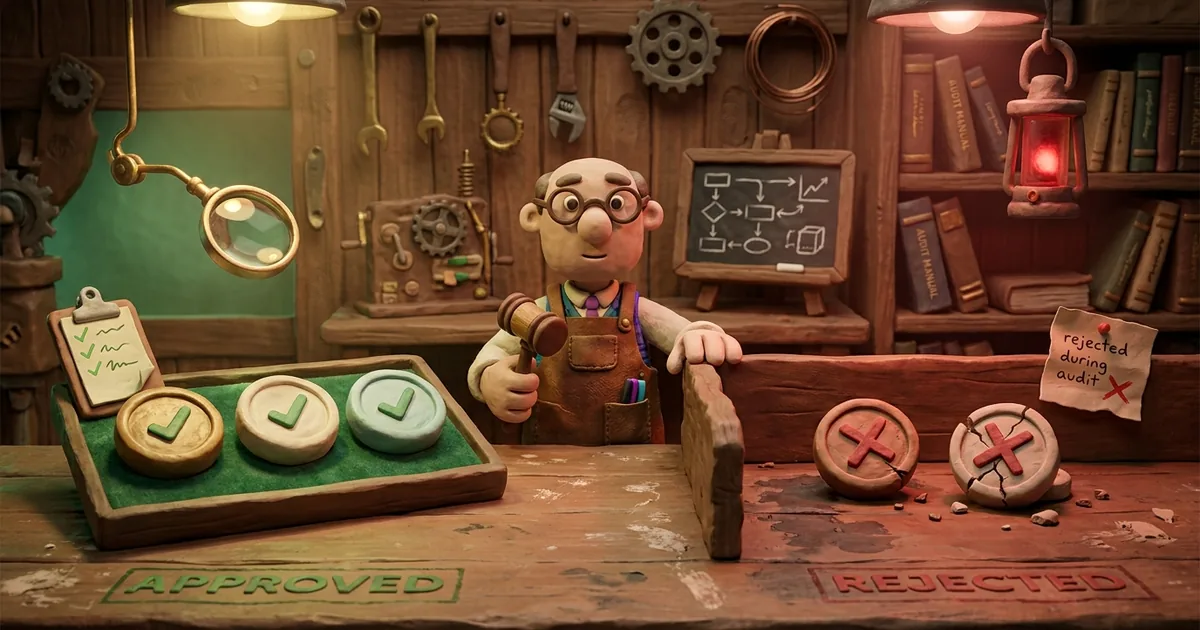
Compare your results to a coin flip. If your win rate is around 50% with winners and losers roughly the same size, your method is indistinguishable from a coin. If you beat 50% by a real margin and the winners are bigger than the losers, you might actually have something.
I know. Thirty trades sounds boring. The whole appeal of crypto is the next 100× setup, not slogging through thirty mechanical attempts.
But that's exactly why most traders lose. The 30-trade discipline is what separates a method from a story.
So what do I do with my one good trade?
Treasure it. Frame the screenshot. Tell your friends at the bar.
Then leave it in the photo album where it belongs. Don't promote it to "evidence of your skill." Don't put real money on top of it. Don't scale up because you think you've figured something out.
Treat the next trade as if the first one didn't happen.
Remember: one win is a memory. Thirty wins under a fixed rule is a strategy. They are not the same thing.
Why this matters for BearBullRadar
This is exactly why every bot on this site has to clear seven tests on at least thirty trades before we touch real money. I've watched too many of our own strategies look like genuine edge for five trades, then collapse on trade six.
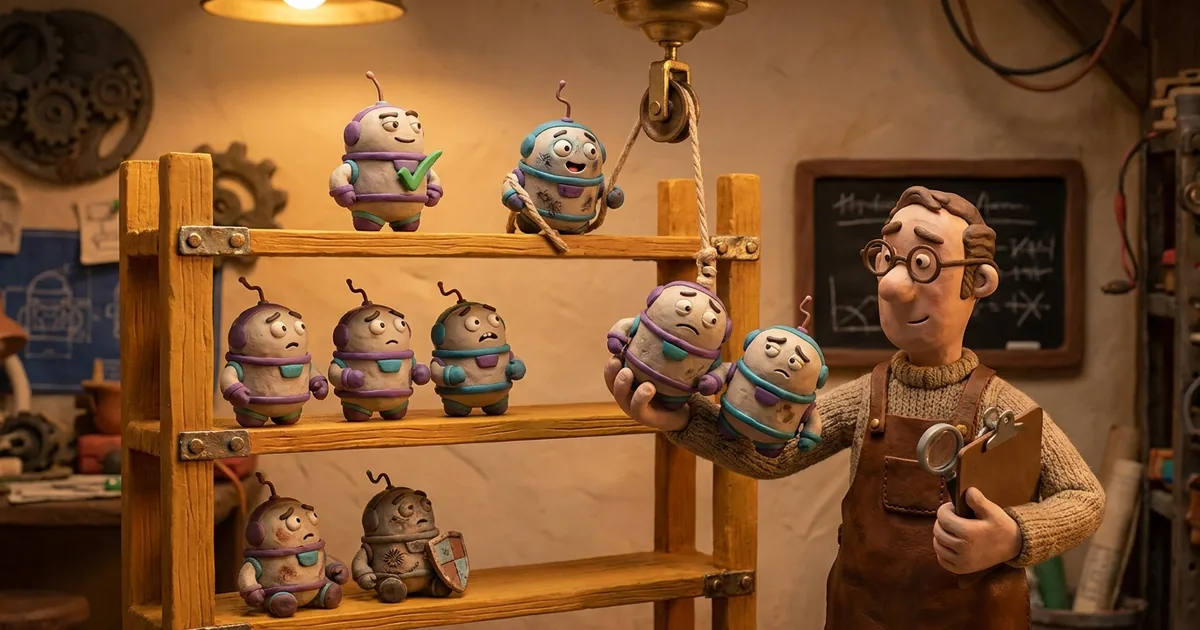
Five-trade strategies are stories. Thirty-trade strategies are evidence. The whole BBR framework is built on the difference.
If you want to see what that looks like in practice, the methodology page walks through the seven tests, and post-mortems shows the strategies that didn't survive them. Honest receipts from a site that retires its own bots in public.
What you do now
Pick up a notebook. Write down the rules you used on your one good trade. Look at them in the cold light of morning.
If they're vague, and they probably are, you didn't have a method. You had a moment.
That's fine. Everyone has had a moment. The real question is whether you're willing to find out if you have a method.
I'd love to hear about your own "I'm a trader" moment after one good win. Hit reply and tell me. I read every email.
— Dominic, the Swiss guy who tested 200 strategies so you don't have to
Disclaimer: This is not financial advice. Trading is risky. Most people lose money. Past results do not predict future results.
If this resonated, the Bot-Letter is at the bottom of every page. One issue per week, no affiliate links, occasional bot demoted in public.