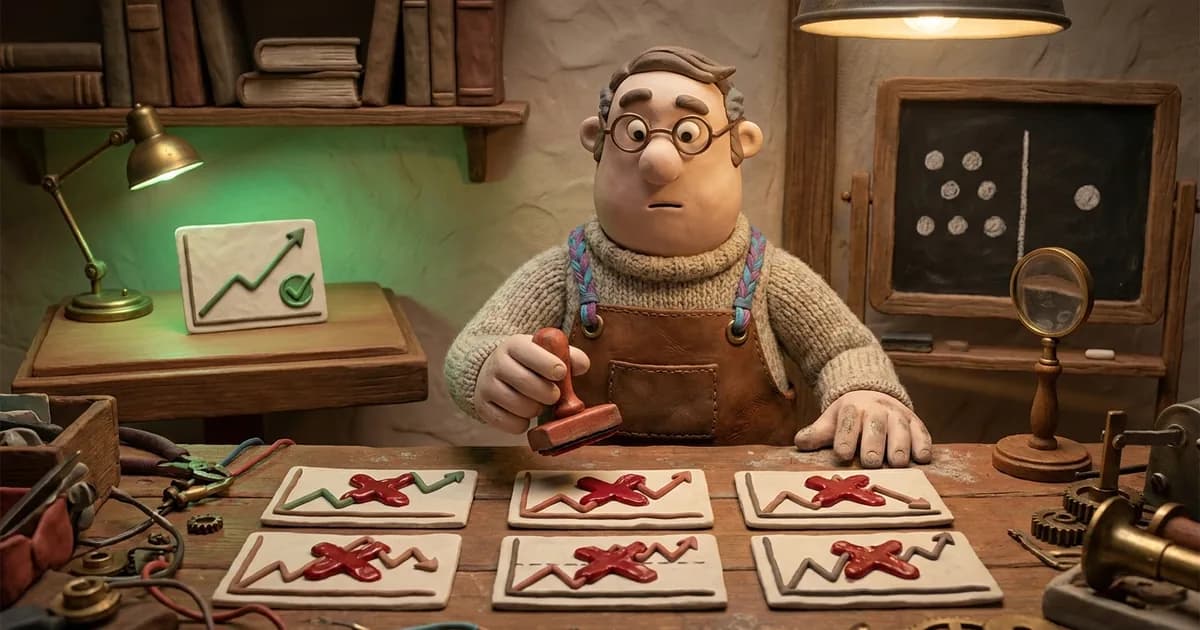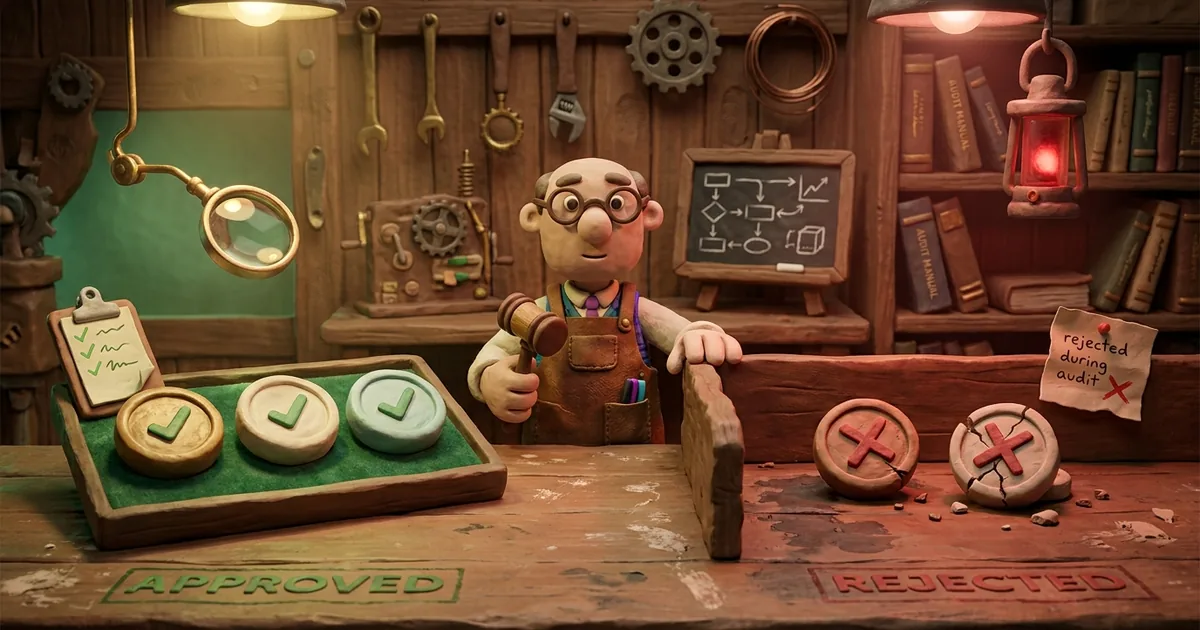
When I sell FARTBOY at a profit — who's buying them from me?
That's the question nobody asks. Not on Twitter. Not on Discord. Not in the YouTube videos with the Lamborghinis.
But it's the most important question in the entire memecoin market. And the answer is uncomfortable: Someone who buys after me — and will probably lose.
In the crypto world, there's a term for this: exit liquidity. That's what I am for the seller before me. And the buyer after me is exit liquidity for ME.
This article isn't about morality. It's about math. And about an awareness that everyone who trades memecoins should have.
What Is Exit Liquidity?
Picture a chain.
Person A buys at $0.001. Sells to Person B at $0.01. Person A made 10x.
Person B sells to Person C at $0.05. Person B made 5x.
Person C sells to Person D at $0.10. Person C made 2x.
Person D... can't find anyone. The hype is over. The price drops to $0.002. Person D lost 98%.
Person D is the exit liquidity. They paid for EVERYONE else's profit. Out of their own pocket.
This isn't the exception. This is the SYSTEM. With every memecoin. With every pump. Always.
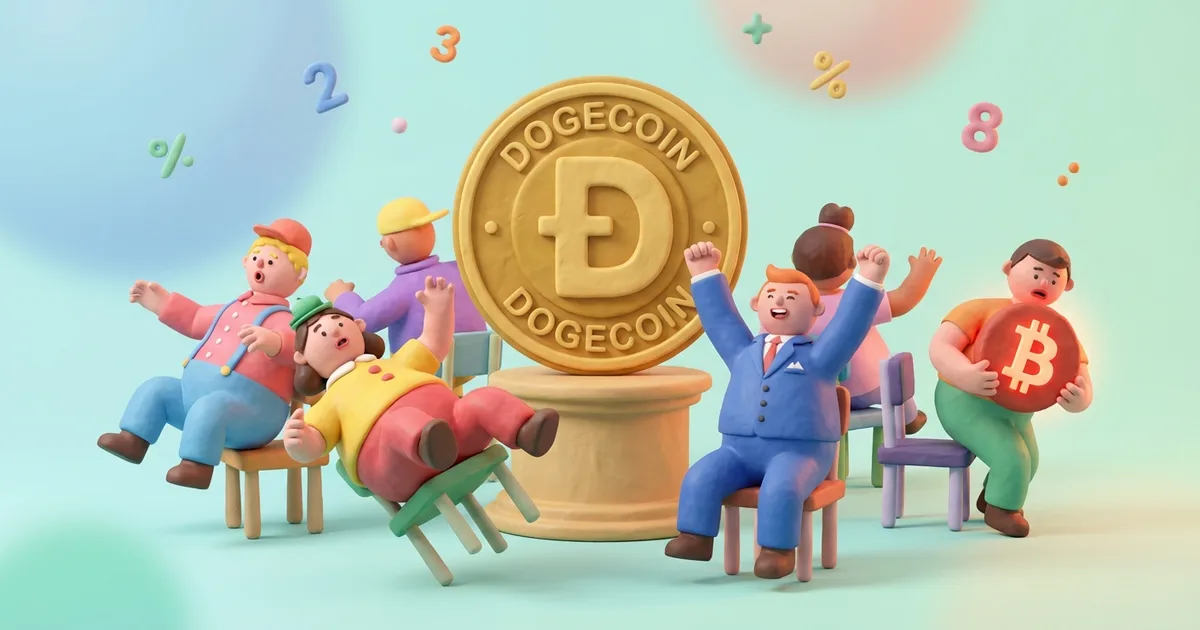
Musical Chairs
You know musical chairs? 10 kids, 9 chairs. Music stops. One has no chair. Out.
Memecoins are musical chairs. Except:
- The music stops without warning
- The chairs are invisible
- And the loser doesn't just lose a seat — they lose their money
Remember: With memecoins, there's no "value" that rises. There's only the next buyer. And eventually, there is no next buyer.
The Math: Why It's a Negative-Sum Game
With Bitcoin, you can argue: there's long-term value growth through adoption, scarcity, network effects. All holders can win long-term.
With a memecoin, there's no intrinsic value. No product. No users. No software. No revenue. The price exists ONLY because people are willing to pay for it.
Mathematically, that means:
Sum of all gains = Sum of all losses
Every dollar you win comes from someone else's pocket. And it gets worse: the exchange takes fees on every trade. That means:
Sum of all gains = Sum of all losses + fees
It's not even a zero-sum game. It's a negative-sum game. In aggregate, participants lose MORE than they win. Guaranteed.
Who Are the Losers?
You never see them. That's the problem.
On Twitter you see: "60x LFG!" Rockets. Screenshots. Euphoria.
What you don't see: the thousands of buyers who bought AFTER the screenshot. Who saw the hype, got FOMO, and entered at the top.
They don't post screenshots. They don't talk about it. They're ashamed.
And those exact SILENT losers paid for the loud winners' profits.
My Own Story
I want to be honest.
I bought FARTBOY. For 2,500 Swiss Francs (CHF). It went above 178,000. I realized a portion — over 20,000 CHF in profit.
And I still hold positions.
That's not a confession. That's a fact. And I'm telling you this not to present myself as a "brave investor." But because you should know: my 20,000 CHF in profit came from someone. From people who bought after me. At higher prices. And probably lost.
I don't know them. I'll never meet them. But they exist.
And you can't forget that.
The Line I Draw
I clearly distinguish between three worlds:
Memecoins (FARTBOY, DOGE, PEPE etc.)
- No product. No revenue. No utility.
- Every gain = directly from someone else's pocket
- The buyer AFTER you is your exit liquidity
- My stance: I don't buy new memecoins anymore. Why? Because I don't want to actively look for someone to take my bag.
DeFi tokens (Aave, Uniswap, Compound etc.)
- Real software. Real users. Real revenue.
- Price can rise through fundamental improvements — ALL holders benefit
- Trading based on information about real events
- My stance: Legitimate information-based trading. My third bot does exactly this.
Bitcoin (BTC)
- Digital gold. Long-term store of value.
- Value growth through adoption, scarcity, network effects
- Not every gain means someone else loses
- My stance: Long-term investment. Bots 1 and 2 only trade BTC spot.
The fundamental difference: with Aave, there's real software creating real value. When the token rises because the protocol improves, ALL holders win. With FARTBOY, there's a funny name. When the token rises, only those who bought BEFORE you win.
What I'm NOT Saying
I'm not saying: "Memecoins are evil." I'm not saying: "People who trade memecoins are bad people." I'm not saying: "I'm better than you because I don't buy them."
What I am saying: Be aware of what you're doing.
If you put 50 bucks into a memecoin and see it as a lottery ticket — your decision. As long as you know: if you win, someone else loses. And if you lose, you paid for someone else's profit.
That's not a judgment. That's math.
Remember: Memecoin trading isn't evil. But calling it an "investment" is a lie. And pretending there are no losers is a bigger one.
The Question You Should Ask Yourself
Before you buy the next memecoin:
"If I sell at a profit — who is my exit liquidity?"
If the answer is "someone who enters after me and will probably lose" — and with memecoins it's ALWAYS this answer — then make your decision with this knowledge.
Not without it.
What Works Instead
No casino. No exit liquidity. No negative-sum game.
→ How I Didn't Sell 178,000 — My personal memecoin story
→ When the Crash Costs More Than Money — The dark side of trading
→ DCA Savings Plan Calculator — What a boring savings plan would have returned
→ What's the Bot Saying Right Now? — Current signal
Your Dominic, the guy who made money with FARTBOY and still tells you: think before you buy.
Sources
- Barber et al.: "Trading is Hazardous to Your Wealth" (2000)
- Nassim Taleb: "Fooled by Randomness" — Zero-sum games and survivorship bias
Disclaimer: This is not investment advice or a moral judgment. Everyone is responsible for their own decisions.